Understanding Measured Building Surveys
Measured building surveys play a critical role in the architecture, construction, and property management sectors. They provide precise and detailed information about a building's dimensions, features, and conditions, which is essential for successful project planning and execution. In an urban landscape as complex as London, accurate data helps architects and engineers to make informed decisions, ensuring that renovations, extensions, or new constructions align with existing structures and local regulations. When exploring options, Measured Building Surveyors London offer comprehensive insights into the best practices for executing these surveys effectively.
What is a Measured Building Survey?
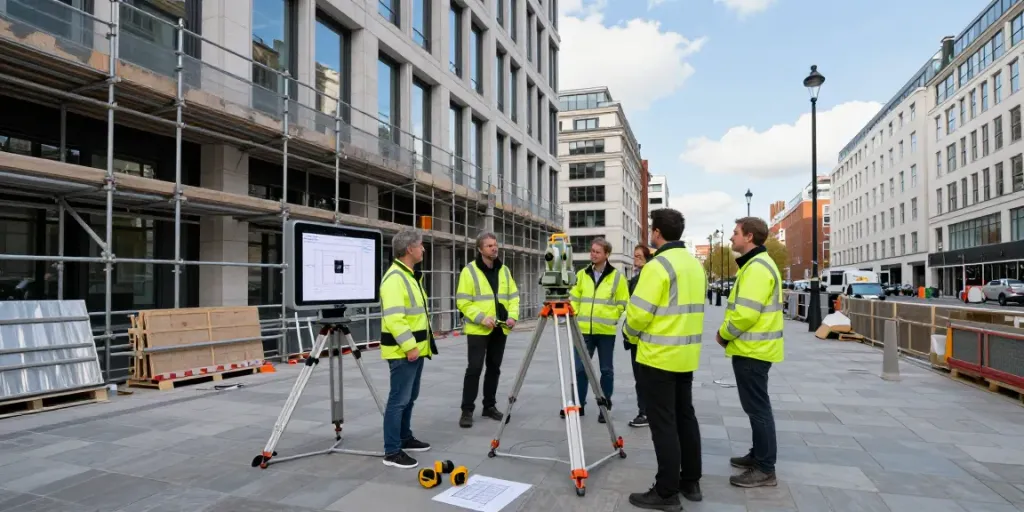
A measured building survey involves the meticulous collection of data regarding the size, shape, and configuration of a building. Using sophisticated tools like total stations and laser scanners, surveyors capture dimensions and generate 2D or 3D models which serve as invaluable resources for architects and engineers. The outcomes of these surveys are detailed architectural drawings that document every aspect of a structure, from floor heights to window placements, ensuring that every element is accounted for in the design process.
Importance of Measured Building Surveys for Renovation Projects
Renovating a building without accurate measurements can lead to costly miscalculations and structural issues. Measured building surveys provide the foundational data necessary to assess the existing conditions and foresee potential complications that could arise during renovation. By identifying these factors early in the project lifecycle, property developers can save time and resources and mitigate risks associated with unexpected costs or structural failures.
Tools and Technologies Used by Measured Building Surveyors London
Today’s surveyors employ a range of cutting-edge tools and technologies to ensure the accuracy and reliability of their surveys. Total stations, which combine distance and angle measurements, allow for high precision in data capture. Meanwhile, laser scanning technology can create detailed 3D point clouds that visualize a building's features in high resolution. These technologies not only enhance the survey process but also improve the efficiency of data collection, reducing the likelihood of errors.
Challenges Faced by Measured Building Surveyors in 2026
Urban Complexity and Historical Constraints
As cities evolve, the complexities involved in conducting measured building surveys increase. In historic areas of London, surveyors face unique challenges due to the need to preserve original structures while incorporating modern design elements. Navigating local regulations and restrictions requires a blend of expertise in both surveying and historical preservation, ensuring that all surveys comply with the legal frameworks guiding construction and renovation activities.
Technological Limitations and Solutions
Despite advancements in surveying technologies, limitations still exist. For example, while laser scanners offer high precision, they can struggle in cluttered environments or with highly reflective surfaces. To overcome these challenges, surveyors are increasingly adopting hybrid techniques that combine various data collection methods, ensuring that they can adapt to different conditions and deliver the most accurate results possible.
Client Expectations and Cost Management
Another significant challenge is managing client expectations. As technology progresses, clients often anticipate faster turnaround times and lower costs. Measured building surveyors must strike a balance between these expectations and the realities of accurate data collection, which often involves time-consuming processes. Clear communication with clients about project timelines and deliverables is crucial to maintaining satisfaction and trust.
Best Practices for Effective Measured Building Surveys
Planning and Preparation for Surveys
Successful measured building surveys begin with thorough planning. Before commencing fieldwork, surveyors must assess project requirements, understand the site conditions, and prepare adequately. This includes obtaining any necessary permits, conducting pre-survey evaluations, and arranging logistics for accessing the site. Preparation minimizes disruptions and ensures that surveyors can capture data efficiently.
Data Collection Techniques and Methodologies
Effective data collection methodologies are vital for achieving accurate survey results. Surveyors should employ a combination of traditional and modern techniques, such as tape measuring, photogrammetry, and GNSS (Global Navigation Satellite System) equipment, depending on the specific site conditions and survey objectives. Each method’s effectiveness can vary, and deploying multiple approaches often provides a more comprehensive dataset.
Quality Assurance and Accuracy in Measurements
Quality assurance is a critical component of the surveying process. Implementing routines for checking measurements and double-checking data entries can significantly improve accuracy. Regular training on the latest technologies and data processing software ensures that surveyors remain proficient and able to deliver high-quality surveys that meet or exceed industry standards.
Real-World Applications of Measured Building Surveys
Case Studies in London’s Development Projects
Numerous successful projects in London highlight the importance of measured building surveys. For example, during the redevelopment of London's historic warehouses into luxury apartments, accurate surveys were essential for preserving original features while integrating modern amenities. Such surveys provide the necessary documentation for compliance with local heritage conservation laws and ensure that renovations enhance the building’s value without compromising its historical significance.
Utilising Surveys for Compliance and Planning Permissions
Measured building surveys are invaluable for acquiring planning permissions. Local councils often require detailed surveys to ensure that new developments comply with zoning laws and building regulations. By providing precise measurements and comprehensive documentation, surveyors help project teams present their plans convincingly, facilitating smoother approval processes.
Future-Proofing Properties with Accurate Data
In an era where sustainable development is paramount, measured building surveys contribute to future-proofing properties by providing crucial data for energy efficiency assessments and adaptive reuse plans. As the demand for greener building practices grows, surveyors are positioned to provide data that supports eco-friendly renovations, ensuring structures meet contemporary environmental standards.
Future Trends for Measured Building Surveyors London
Emerging Technologies in Surveying
The surveying landscape is continually evolving with new technologies emerging each year. Drones equipped with advanced imaging sensors are becoming popular for capturing large areas quickly and efficiently. Similarly, augmented reality (AR) is being explored as a tool for visualizing construction plans on-site, offering an interactive way for architects and clients to engage with their projects before they break ground.
Sustainability and Eco-Friendly Practices
As environmental concerns rise, the surveying industry is increasingly embracing sustainable practices. This includes reducing waste during the surveying process, utilizing eco-friendly materials for reports, and promoting energy-efficient building designs based on survey data. Surveyors can also advise clients on how to implement sustainable features into their projects based on accurate measurements and thorough assessments.
The Role of Big Data in Surveying Strategies
Big data analytics is becoming an essential tool within the surveying industry, offering insights that improve decision-making processes. By aggregating vast amounts of data from past projects, surveyors can identify patterns and trends that inform future projects. This shift toward data-driven decision-making enhances the accuracy and efficiency of the surveying process, leading to better outcomes for construction projects.
What is the average cost of a measured building survey in the UK?
The cost of a measured building survey can vary significantly based on several factors, including the size of the building, location, and complexity of the survey. In the UK, average prices typically range from £500 to £2000. Clients should consider the value of accurate data against the potential costs of mistakes in construction and design.
How long does a measured survey take?
The duration of a measured building survey largely depends on the size and intricacies of the building. While smaller residential properties may require just a few hours, larger commercial sites may take several days for thorough data collection and analysis. Clients are advised to factor this into their project timelines to ensure adequate planning.
How to know if a surveyor is good?
When selecting a measured building surveyor, consider their qualifications, experience, and client reviews. Look for professionals who are members of recognised professional bodies and have a proven track record in similar projects. Recommendations from previous clients can also provide valuable insights into a surveyor’s reliability and quality of work.
What are the top 10 quantity surveying firms in the UK?
While the list may vary based on specific criteria such as annual turnover or project scope, some of the top quantity surveying firms in the UK include firms like AECOM, Turner & Townsend, and Faithful+Gould. Conducting thorough research into a firm's capabilities and reputation is crucial when selecting a partner for your building project.
Measured building surveyors London reviews?
Reading reviews and testimonials can significantly influence your choice of a measured building surveyor. Look for feedback on their professionalism, accuracy, and the quality of service provided. Websites like Trustpilot or Google Reviews can be valuable resources for assessing a surveyor’s reputation in the industry.