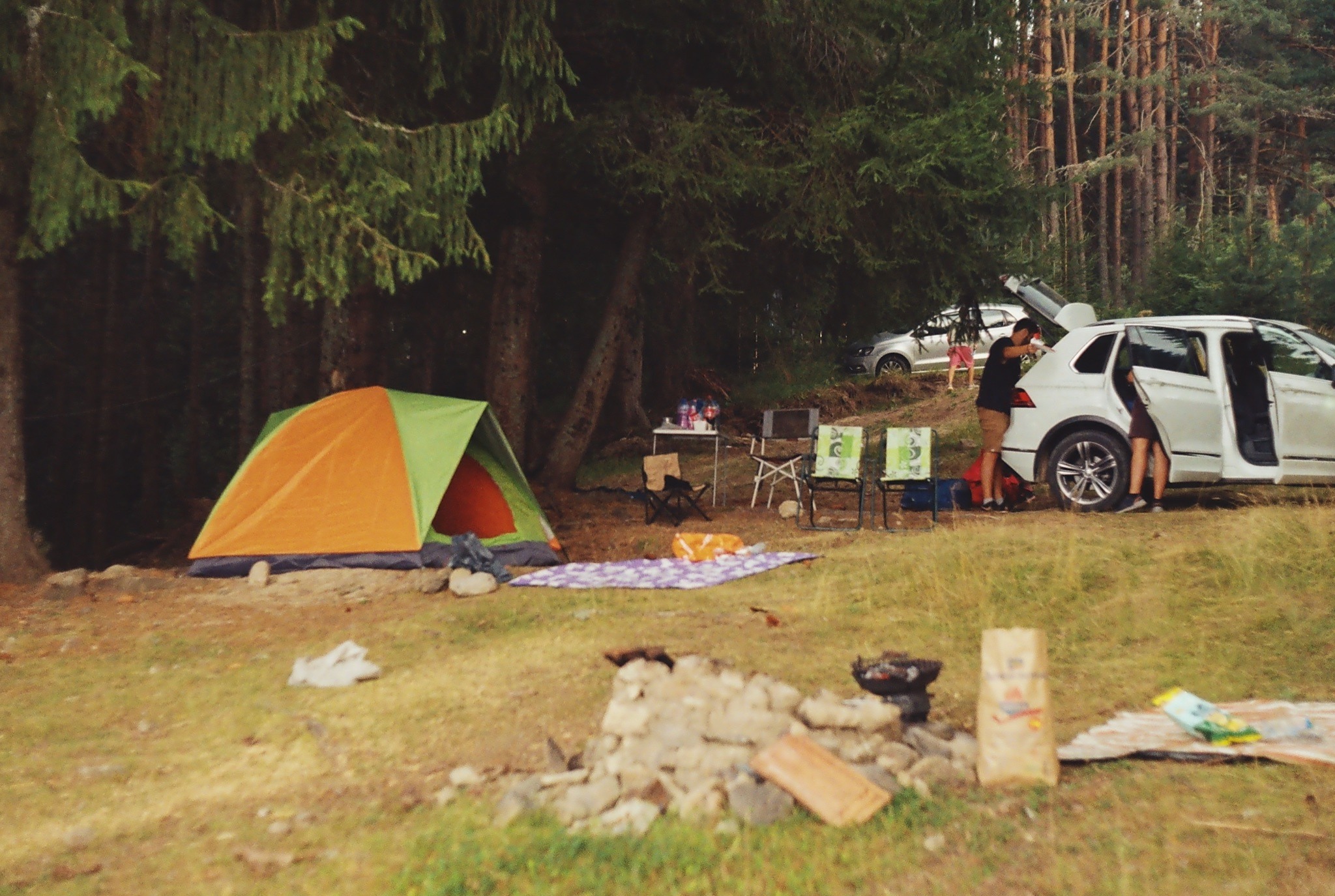
Camping, hiking, fishing, and other outdoor activities offer a fantastic opportunity to connect with nature and enjoy the outdoors. Whether you're spending a weekend at a campsite, exploring remote trails, or enjoying a family picnic, encountering wildlife is often part of the experience. While observing animals in their natural habitat can be exciting, some encounters can quickly become problematic when animals approach campsites, food storage areas, or recreational spaces.
This is where animal repellers can play an important role. Designed to discourage unwanted wildlife from entering specific areas, animal repellers help outdoor enthusiasts enjoy their activities while reducing the risk of conflict with animals. Modern animal deterrents focus on encouraging wildlife to keep their distance without causing harm, making them a practical and environmentally responsible solution for outdoor adventures.
Why Animals Are Attracted to Campsites
Many animals are naturally curious and opportunistic. Campsites often contain food, cooking equipment, rubbish, and scented personal items that can attract wildlife from considerable distances.
Small animals such as raccoons, foxes, squirrels, and rodents are frequently drawn to campsites in search of food scraps. In some regions, larger animals may also investigate camping areas if they detect food or unusual activity. Even birds can become a nuisance when they gather around picnic tables, tents, or outdoor cooking areas. Once animals learn that campsites provide easy access to food, they may return repeatedly. This can create safety concerns for both campers and wildlife, making prevention an important part of responsible outdoor recreation.
How Animal Repellers Work
Animal repellers are designed to create conditions that encourage wildlife to avoid a particular area. Depending on the type of product, deterrents may use sound, light, movement, or visual signals to make animals uncomfortable without harming them.
Many modern repellers use motion sensors that activate only when an animal approaches. This helps conserve energy while creating an unexpected stimulus that encourages animals to move away. Other systems use flashing lights, ultrasonic signals, or visual deterrents that take advantage of an animal's natural caution around unfamiliar sights and sounds. The goal is not to frighten wildlife excessively but to discourage animals from associating campsites with food or shelter.
Benefits for Campers and Wildlife
One of the greatest advantages of animal repellers is that they support peaceful coexistence between people and wildlife. Rather than relying on harmful methods, deterrents help prevent animals from entering areas where interactions could become dangerous.
For campers, this means greater peace of mind. Protecting food supplies, cooking areas, and sleeping spaces reduces the likelihood of unwanted visits from animals during the night. This can be particularly valuable when camping in remote locations where wildlife activity is more common. At the same time, animal repellers help protect wildlife. Animals that become accustomed to human food often face increased risks, including dependency on people, relocation, or removal by wildlife authorities. Encouraging animals to remain in their natural habitat benefits both the animals and the people sharing the environment with them.
Choosing the Right Animal Repeller
The most suitable deterrent depends on the type of outdoor activity and the wildlife commonly found in the area. Portable animal repellers are often ideal for campers because they are lightweight, easy to transport, and simple to set up. Solar-powered models can be especially useful for longer trips because they require minimal maintenance and can operate without external power sources.
When selecting an animal repeller, it is important to consider the environment, the target species, and the coverage area. Combining deterrents with good campsite practices such as storing food securely and disposing of waste properly will significantly improve results.
Bird Bustersoffers a range of animal and wildlife deterrent solutions designed to help people protect outdoor spaces while maintaining a humane approach to wildlife management. Exploring different options can help outdoor enthusiasts find a solution that best suits their needs.
Conclusion
Spending time outdoors should be an enjoyable experience for both people and wildlife. Animal repellers provide a practical way to reduce unwanted encounters while supporting responsible outdoor recreation and conservation. By encouraging animals to keep a safe distance from campsites and activity areas, these deterrents help protect food supplies, improve safety, and promote coexistence with nature.
Whether you're camping, hiking, fishing, or simply enjoying time outdoors, using an effective animal repeller can help ensure a safer and more comfortable experience while respecting the wildlife that makes natural environments so special.